
The universe is not indifferent—it is unconscious.
Ludwig von Leere
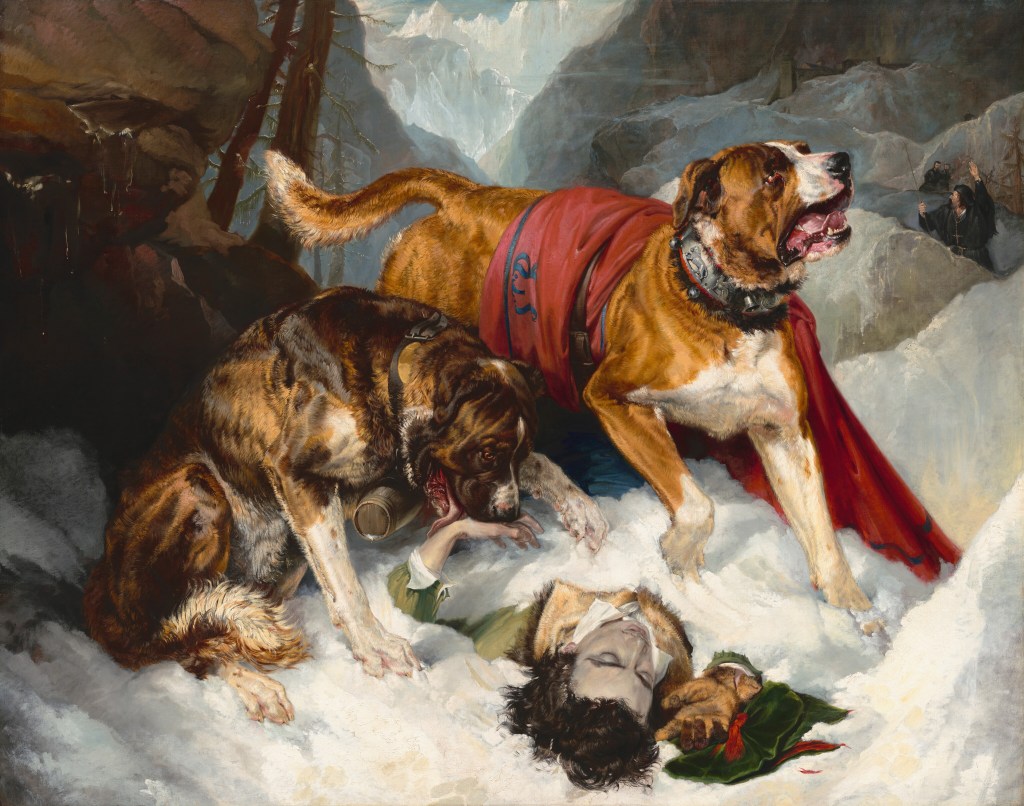
The morning air hangs heavy, thick with the scent of damp earth and the faint tang of iron from a night’s rain. A man sits on a bench, his coat frayed at the cuffs, staring at the horizon where the sun struggles to pierce a veil of gray. His hands, rough and lined, clutch a cigarette, its ember glowing briefly before fading into ash. What is he looking for in that distant blur? Purpose? Absolution? Or merely a distraction from the weight of his own breath? The universe does not answer. It does not even notice.
Existence unfolds like a river, ceaseless and unyielding, carving paths through stone without intent. There is no malice in its flow, no benevolence either—just motion. The stars burn, indifferent to their own radiance, scattering light across voids that swallow it whole. Planets turn, their surfaces scarred by eons of collision and erosion, yet they bear no grudge against the forces that shape them. Why, then, do we, fragile and fleeting, demand meaning from a cosmos that does not dream? The question lingers, sharp as a blade, cutting through the illusions we weave to shield ourselves from the truth: we are here, and that is all.
To exist is to be thrust into a theater without a script. The stage is vast, its edges lost in shadow, and the audience—if there is one—remains silent. A woman walks a city street at dusk, her footsteps echoing against concrete walls scrawled with fading graffiti. She pauses at a crosswalk, her eyes tracing the arc of a pigeon’s flight. Does she wonder, in that fleeting moment, why she wakes each day to repeat the same rituals? Work, eat, sleep, repeat. The rhythm is comforting, yet it gnaws. It is a cage dressed as routine. She moves on, the light changes, and the world spins without pause. Her life, like all lives, is a flicker in the dark.
The mind rebels against this. It constructs cathedrals of thought, intricate and towering, to house the belief that there is more. Gods are born in these halls, their faces carved from our fears and hopes. Philosophies take root, their branches twisting toward answers that recede like mirages. We tell ourselves stories—of destiny, of legacy, of love that transcends the grave. But the stars do not listen. They burn on, their light reaching us long after they have crumbled to dust. What is a story to a universe that does not read?
Yet there is beauty in this rebellion. A child kneels in the dirt, her small hands shaping a castle from mud. It will not last. The rain will come, or the wind, or simply time, and her creation will dissolve. Still, she builds. Her laughter rings out, sharp and bright, a defiance of the inevitable. Is this not existence distilled? To create, to strive, to pour oneself into something that will fade? The act is enough. It must be. The alternative is a surrender to the void, a collapse into despair that offers no solace, only silence.
Despair is a shadow, always near. It creeps into the quiet moments—when the laughter fades, when the work is done, when the bed is empty and the night stretches on. A man lies awake, his heart pounding against the cage of his ribs. He thinks of his father, gone now, reduced to a photograph and a handful of memories. He thinks of his own life, the years piling up like leaves in an untended yard. What has it all been for? The question is a wound, raw and bleeding. He turns to the window, where the moon hangs low, its surface pitted and cold. It offers no answers, only light.
This is the crux of our condition: we are aware, and the universe is not. It does not hate us, nor love us, nor pity us. It simply is. A tree falls in a forest, and whether it makes a sound depends on whether something hears it. But the universe does not hear. It does not see the tears of the widow, the rage of the betrayed, the quiet joy of the lover tracing a partner’s spine in the dark. These are ours alone, fleeting and precious, like dew on a blade of grass before the sun rises.
Why, then, do we persist? The question haunts, a ghost that will not rest. A woman sits at a kitchen table, her coffee gone cold, her pen hovering over a blank page. She writes, then stops, then writes again. The words are clumsy, inadequate, yet they are hers. They are a tether, however fragile, to something beyond the emptiness. She thinks of her mother, who sang lullabies in a language half-forgotten, and of her son, who will one day leave her as all children must. Her chest aches. She writes anyway. The act is a refusal, a small fire against the dark.
Perhaps this is the freedom we are granted: to choose our own meaning, however absurd it may seem. The universe does not care if we build cities or burn them, if we love or hate, if we rise or fall. But we care. We, with our brief lives and restless hearts, care. A man plants a tree, knowing he will not live to see it fully grown. A woman paints a canvas, though it may never hang in a gallery. A child dreams of stars, though she may never touch them. These acts are not victories over the void—they are declarations. I am here. I feel. I matter.
The weight of this freedom is heavy. It demands that we face the abyss and choose to act regardless. A young man stands on a bridge, the river below dark and swift. His hands grip the railing, knuckles white. He has lost something—someone—and the pain is a beast, clawing at his insides. He could let go. It would be easy. The water would take him, and the universe would not blink. But he steps back. He breathes. He chooses to walk on, to carry the pain, to find something—anything—worth holding onto. His choice is not a triumph. It is enough.
The heart yearns for more. It seeks a grand narrative, a purpose written in the stars. But the stars are silent, their light a relic of a past that no longer exists. We are left with ourselves, with the messy, beautiful, agonizing reality of being human. A woman dances alone in her living room, the music loud enough to drown out her thoughts. A man tells a joke to a stranger, their laughter a bridge across the divide. A child draws a picture, her crayons bright against the paper. These moments are small, yet they are everything. They are the threads we weave into a tapestry that will not last, but which is ours while it does.
What, then, is meaning? Is it the stories we tell ourselves, the loves we chase, the pain we endure? Or is it the act of seeking itself, the refusal to bow to the weight of the unconscious cosmos? The question burns, unanswerable yet urgent. A man sits by a fire, the flames casting shadows on his face. He thinks of his life, of the choices made and unmade, of the roads taken and abandoned. He is old now, his body frail, but his mind is a storm. He wants to believe it was worth it. He wants to believe he was more than a speck in the vast. The fire crackles. He weeps.
The tears are not weakness. They are proof of life, of a heart that dares to feel in a universe that does not. To exist is to be caught in this tension, to dance on the edge of despair and freedom, to build castles in the mud knowing they will fall. The universe is not indifferent—it is unconscious, blind to our struggles and our joys. But we are not blind. We see, we feel, we choose. And in that choice, however fleeting, we carve our own meaning from the stone of existence.
The man on the bench lights another cigarette. The woman at the crosswalk steps forward. The child in the dirt laughs. The universe spins on, vast and unheeding, but they are here. They breathe. They live. And that, in the end, is enough. It must be. The alternative is silence, and the human heart, for all its fragility, was never made for silence. It beats, it breaks, it loves, it dares. Against the unconscious vast, it dares.

 The Grieviary
Leave a comment